
Massada Textiles
Restoration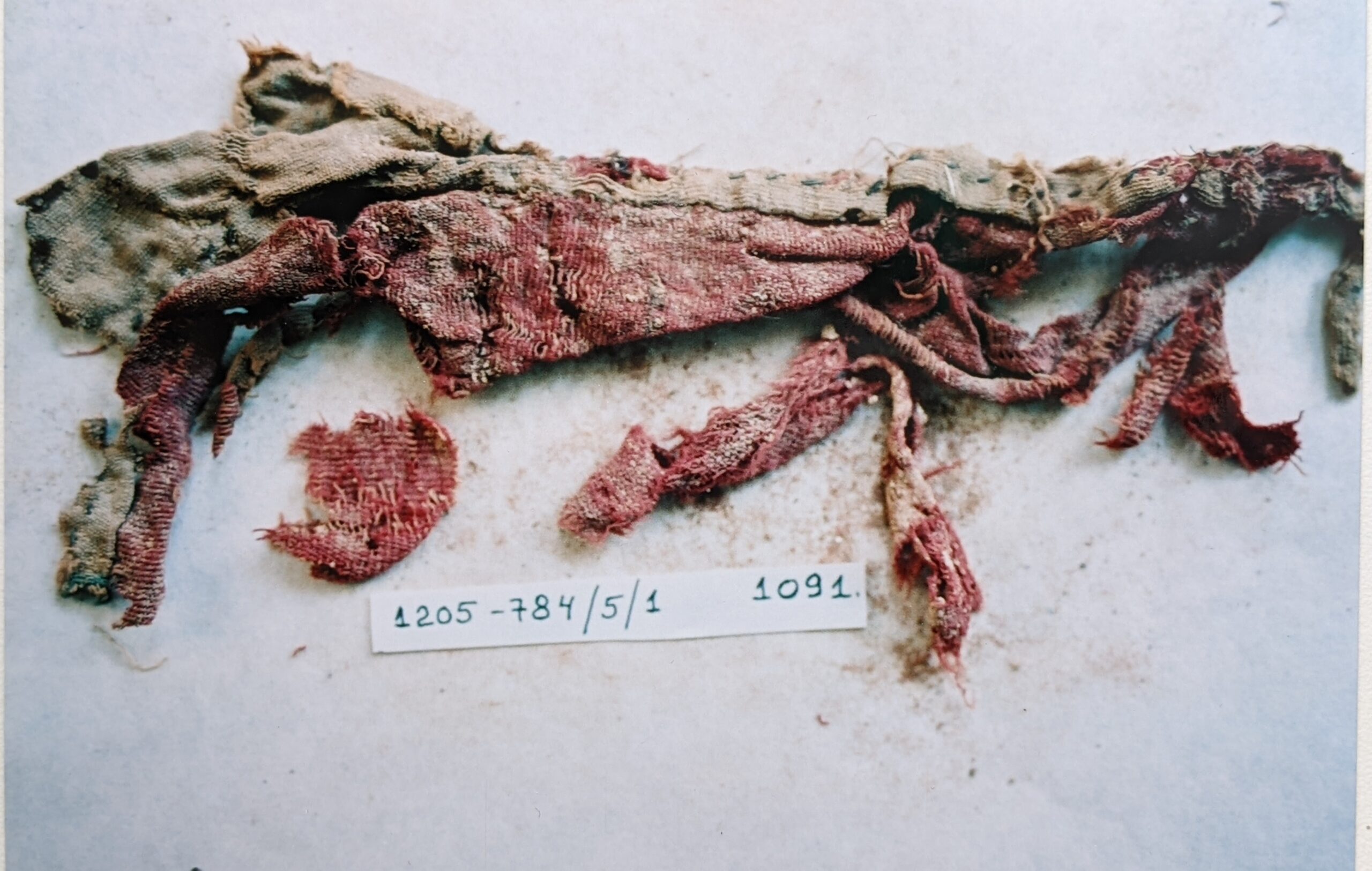
Massada Textile Restoration
The restoration of the textiles from Masada was one of the most exciting and meaningful projects in which I have had the privilege to participate. It brought together a team of distinguished professionals, each contributing their expertise to uncover and preserve a vital piece of Jewish history.
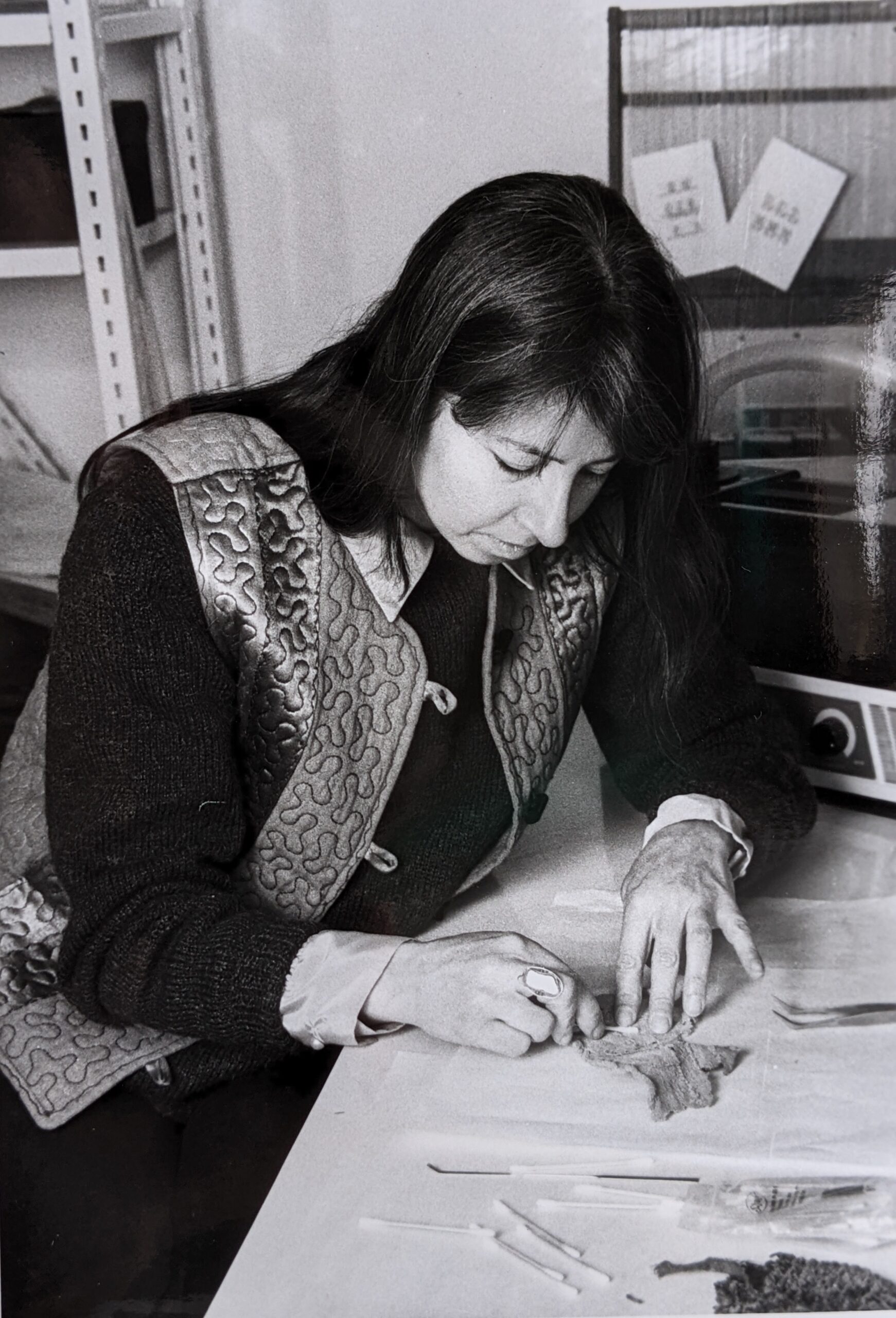
The project was led by Professor Ehud Netzer, head of the Masada excavations, with Dr. Tamar Schick, curator of organic materials from the Israel Antiquities Authority, and Dr. Hero Granger-Taylor, responsible for the Masada exhibition at the British Museum. My role was as the conservator of archaeological textiles.
The textiles we worked on were fragile remains of garments and fabrics used by the Jewish resistance fighters of Masada. Nearly 2,000 years ago, these men, women, and children chose to take their own lives rather than surrender to the Romans, in what became the tragic final act of the Great Jewish Revolt. This revolt saw the destruction of the Temple in Jerusalem and marked the beginning of the Jewish Diaspora. Today, the desert fortress of Masada has become both a powerful symbol of Israel’s ancient roots and a reminder of resilience and identity.
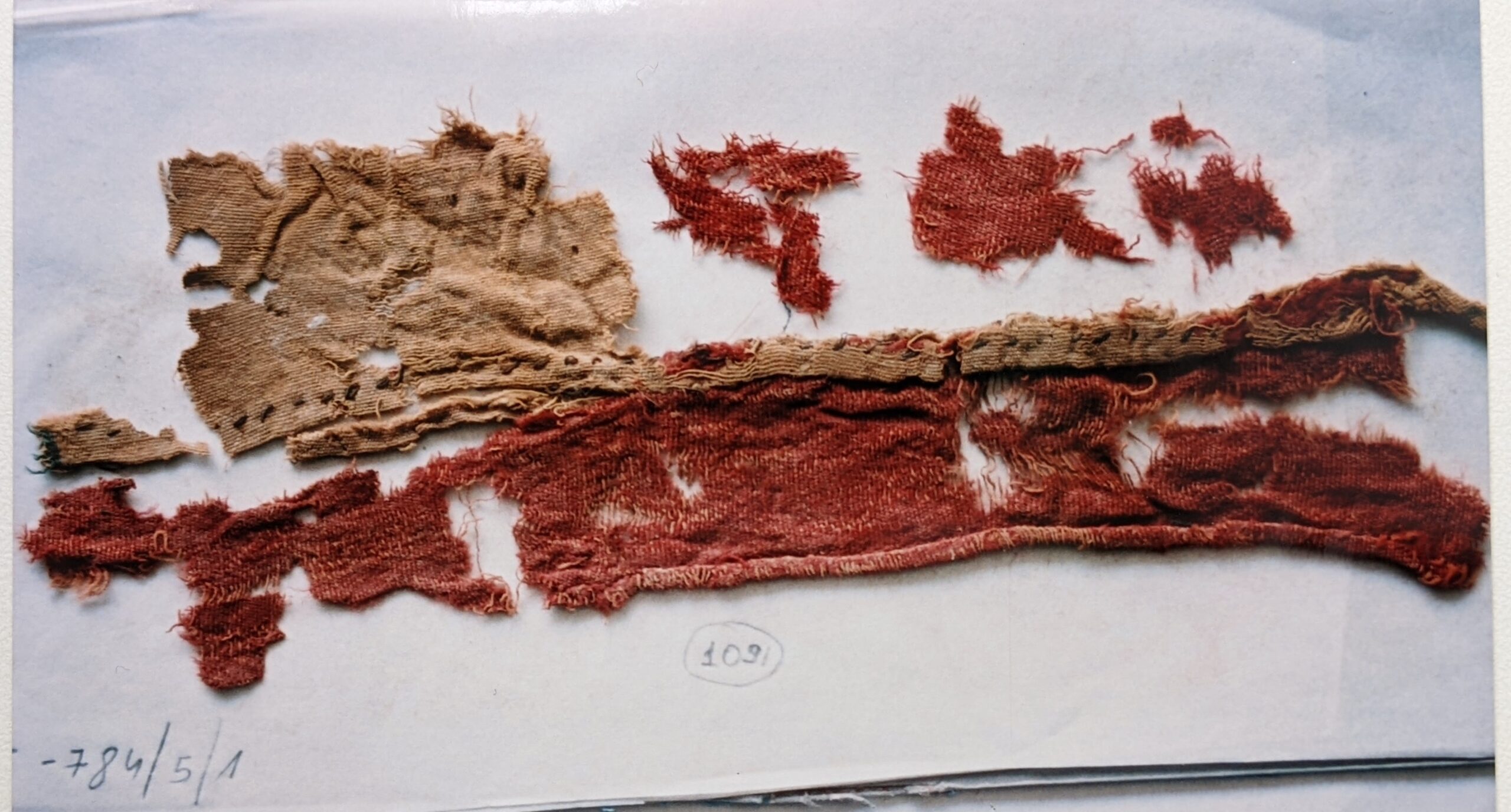
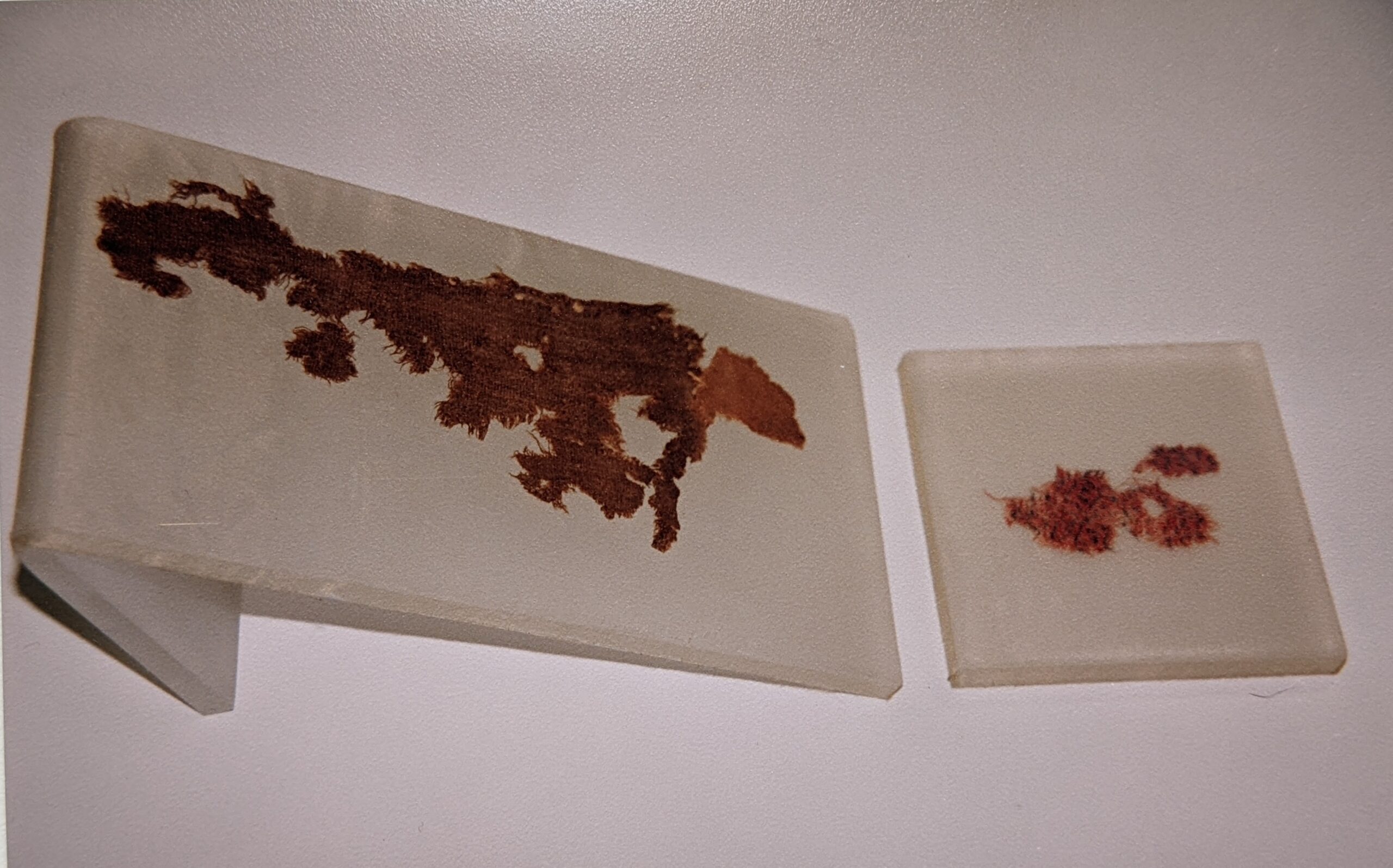
The challenge of the project lay in carefully distinguishing, from thousands of tiny textile fragments, those that had once been clothing, blankets, or other items of daily use. Each piece was meticulously documented and photographed before and after treatment. The conservation process included gentle dry cleaning wherever possible. Fragments strong enough to undergo further treatment were carefully washed in deionised water, flattened, and dried between two layers of acid-free filter paper. Custom envelopes were then created to preserve each individual fragment.
The results of this work were not only a significant contribution to the study of ancient textiles, but also a step toward reconnecting with the lived reality of those who perished at Masada. The cleaned and preserved fabrics were later featured as illustrations in Dr. Granger-Taylor’s book on Masada textiles, ensuring that this important material remains accessible for future generations of scholars and the public alike.
Olga Negnevitsky