
Tapestry from the Yad VaShem Museum
Restoration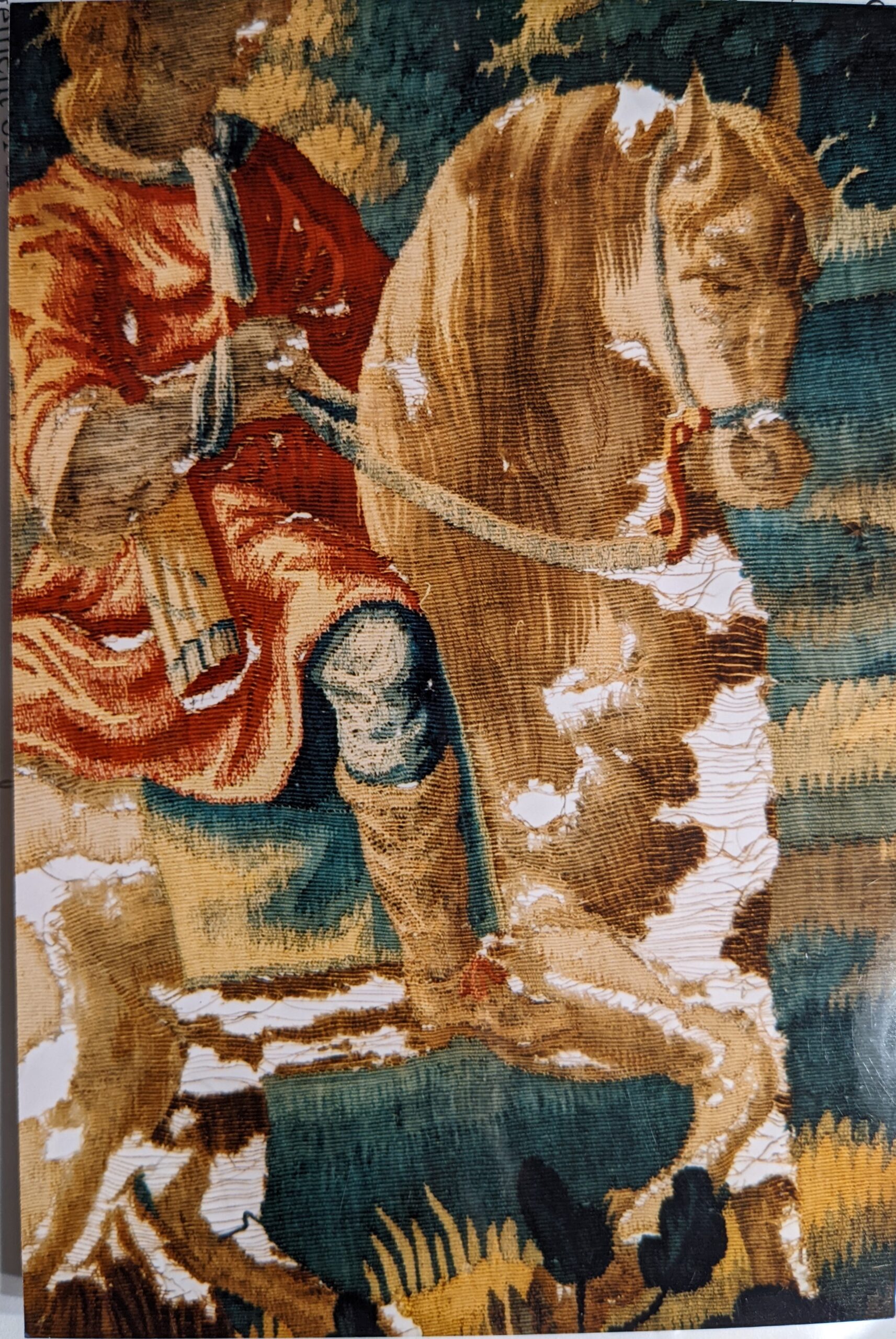
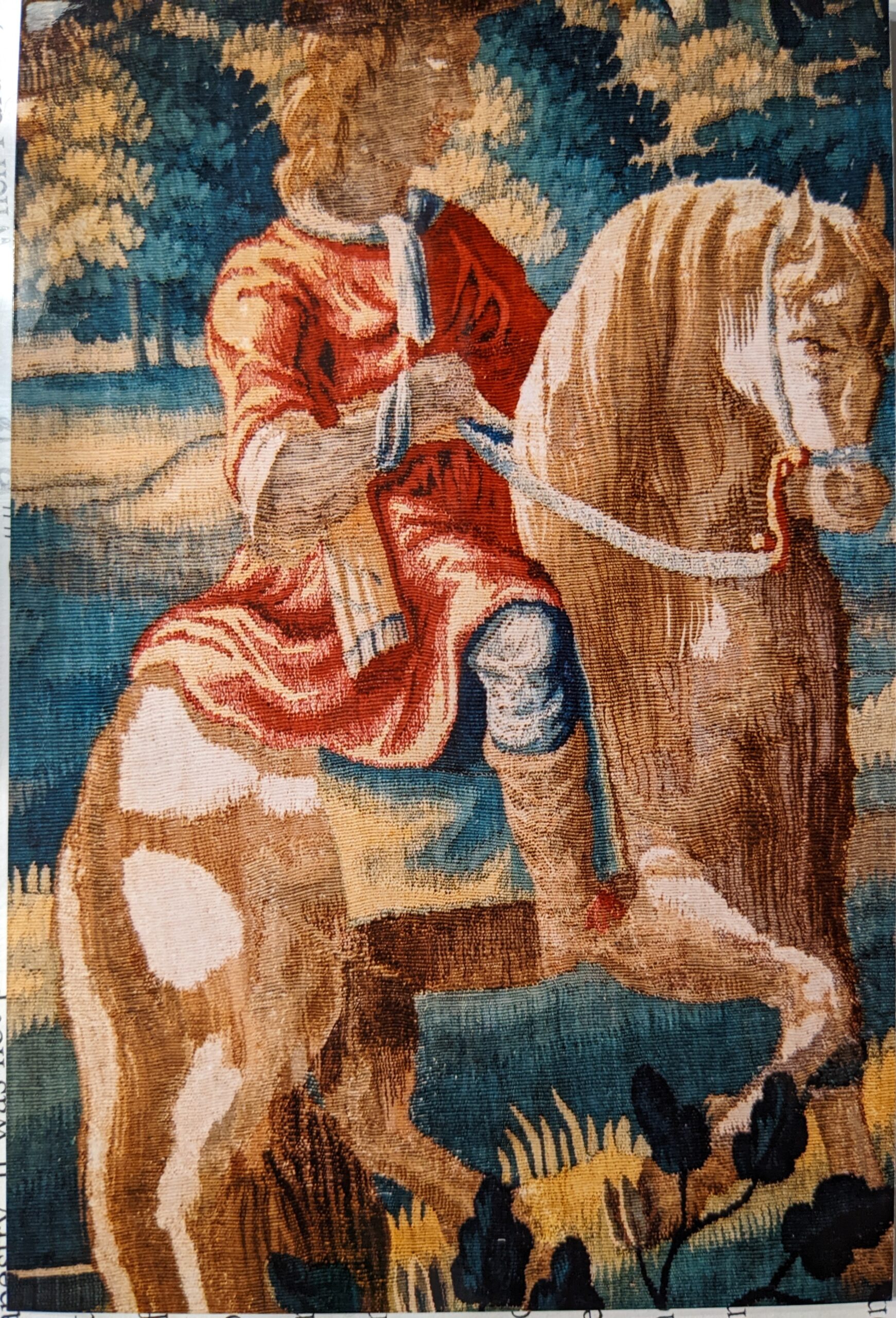
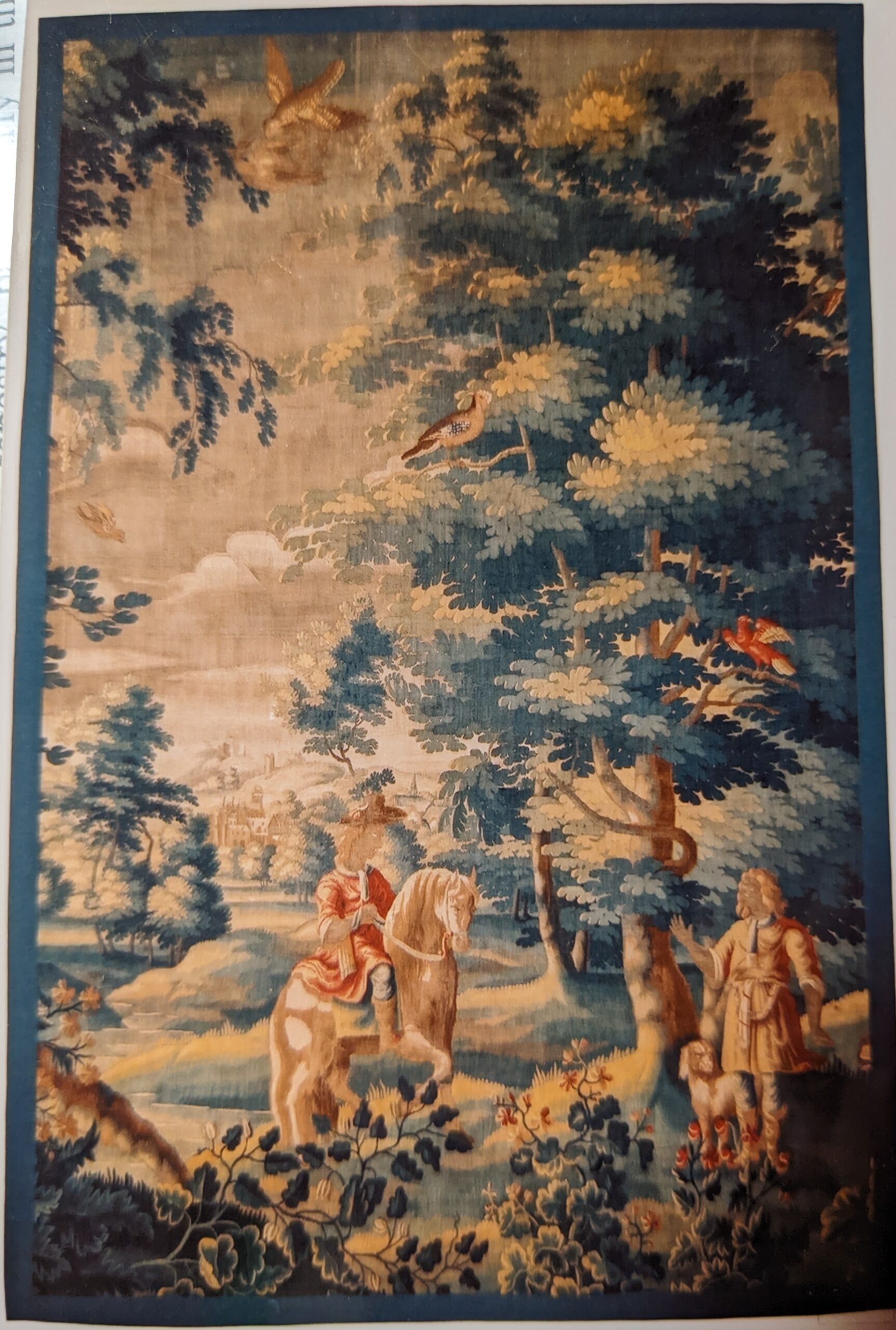
Tapestry from the Yad VaShem Museum
Date: 17th century
Origin: Flanders (Flandria)
Material: Wool and silk, tapestry weaving
Dimensions: 214 cm × 320 cm
Historical Significance
This 17th-century Flemish tapestry is one of the most important objects displayed in the European Room of the Yad Vashem Museum. Beyond its artistic value, the tapestry evokes the atmosphere of Jewish homes in Europe before the devastation of the Second World War, serving as a poignant reminder of a cultural world that was largely destroyed.
Condition on Arrival
In 2005, the tapestry was transferred from Yad Vashem to my studio for conservation. Its condition was extremely poor: the textile was heavily soiled, with extensive losses to both warp and weft threads. Immediate intervention was required to stabilize and preserve it for future display.
Conservation Process
The tapestry was first vacuum-cleaned under protective synthetic netting. Colorfastness tests confirmed that the dyes were stable, allowing for wet cleaning. To safeguard the fragile fibers, the textile was sandwiched between two layers of tulle fabric during immersion. A large bath was specially prepared on the studio floor, and with the assistance of two conservators, the tapestry underwent a careful washing and subsequent drying process.
To address structural losses, wool and silk threads were hand-dyed to match the original palette. A large custom-built embroidery frame was constructed to support the textile during the long and meticulous restoration phase. Missing warp threads were reconstructed, while missing weft threads were rewoven to reintegrate the design.
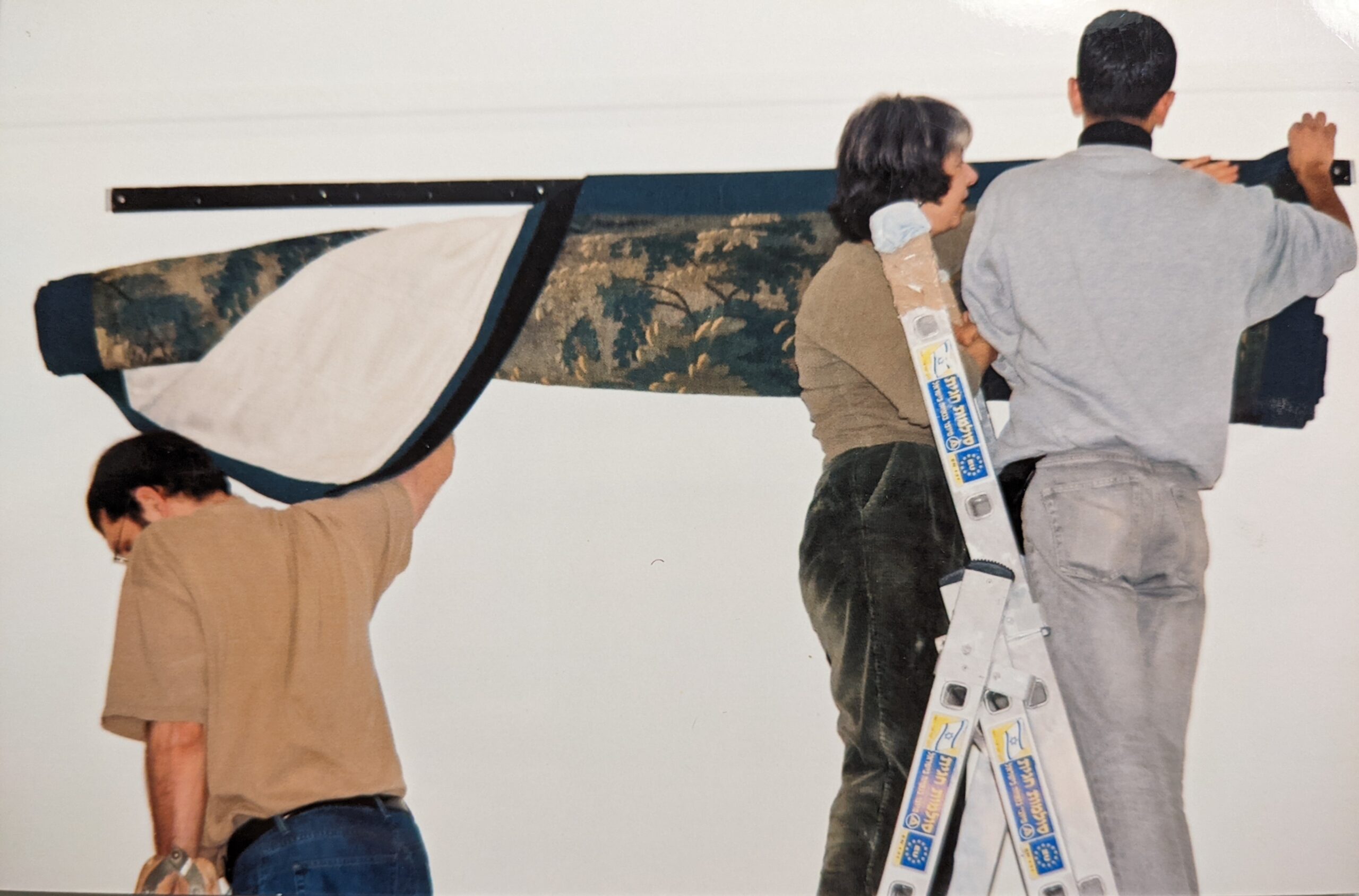
Following structural restoration, a pre-shrunk fabric lining was prepared and sewn onto the reverse of the tapestry. Velcro strips were then attached to ensure secure hanging and long-term stability.
Current Display
After completion of the conservation, the tapestry was returned to the Yad Vashem Museum, where it now hangs as part of the permanent exhibition. Its restoration allows visitors to experience not only a masterpiece of Flemish textile art, but also a symbol of the cultural richness of Jewish life in pre-war Europe.
Olga Negnevitsky